
Topical Solutions for Midlife Men: Benefits of Minoxidil, Finasteride, and Tretinoin in Hair Restoration

Hair loss affects many men as they reach midlife, often impacting confidence and self-image. While genetics play a significant role, hormonal changes and aging also contribute to thinning hair and receding hairlines. Fortunately, topical treatments offer practical options to slow hair loss and encourage regrowth without the need for invasive procedures. This post explores the benefits of three popular topical solutions: minoxidil, finasteride, and tretinoin, explaining how they work and what midlife men can expect from their use.
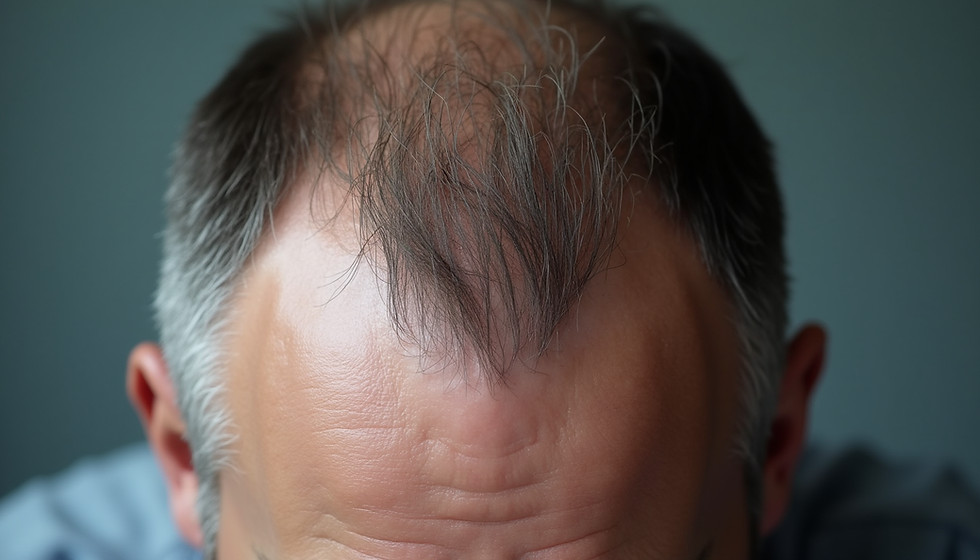
Topical hair treatments designed for men experiencing hair thinning and loss
Understanding Hair Loss in Midlife Men
Hair loss in men typically follows a pattern known as androgenetic alopecia, or male pattern baldness. This condition is influenced by the hormone dihydrotestosterone (DHT), which shrinks hair follicles and shortens the hair growth cycle. Over time, affected follicles produce thinner, shorter hairs until they stop growing altogether.
Midlife men often notice:
Thinning at the crown or temples
A receding hairline
Reduced hair density overall
These changes can begin as early as the late 20s but become more pronounced in the 40s and 50s. Addressing hair loss early improves the chances of maintaining a fuller head of hair.
How Topical Minoxidil Supports Hair Growth
Minoxidil is one of the most widely used topical treatments for hair loss. Originally developed as a blood pressure medication, it was found to stimulate hair growth as a side effect. Today, minoxidil is available over the counter in 2% and 5% solutions or foam.
How Minoxidil Works
Minoxidil improves blood flow to hair follicles, increasing oxygen and nutrient delivery. This helps follicles stay in the growth phase longer and can revive dormant follicles. The result is thicker, stronger hair and slower hair loss.
Benefits of Minoxidil for Midlife Men
Easy to apply directly to the scalp twice daily
Clinically proven to slow hair loss and promote regrowth in many users
Suitable for early to moderate hair thinning
Few systemic side effects since it is applied topically
What to Expect
Visible results usually take 3 to 6 months. Hair may initially shed more as weak hairs fall out, making way for new growth. Consistency is key—stopping treatment often leads to resumed hair loss.
The Role of Topical Finasteride in Hair Restoration
Finasteride is commonly known as an oral medication for hair loss, but topical formulations have gained attention for reducing side effects while maintaining effectiveness.
How Topical Finasteride Works
Finasteride blocks the enzyme 5-alpha reductase, which converts testosterone into DHT. Lowering DHT levels around hair follicles prevents follicle shrinkage and hair thinning.
Advantages of Using Topical Finasteride
Targets DHT directly at the scalp with minimal absorption into the bloodstream
Reduces risk of sexual side effects sometimes reported with oral finasteride
Can be combined with minoxidil for enhanced results
Practical Considerations
Topical finasteride is usually applied once daily. It may take 3 to 6 months to notice improvement. Some users report mild scalp irritation, which can often be managed by adjusting application frequency or formulation.
How Topical Tretinoin Enhances Hair Treatment
Tretinoin, a derivative of vitamin A, is better known for its use in skin care but also plays a role in hair restoration when used topically.
Mechanism of Action
Tretinoin promotes cell turnover and increases blood flow in the scalp. It can improve the absorption of other topical treatments like minoxidil, making them more effective.
Benefits for Midlife Hair Loss
Enhances scalp health by reducing buildup of dead skin cells
Supports follicle function and hair shaft strength
Often used in combination with minoxidil to boost results
Usage Tips
Tretinoin is typically applied in low concentrations to avoid irritation. It is best used under medical supervision, especially when combined with other treatments.
Combining Treatments for Better Results
Many men find that using minoxidil, finasteride, and tretinoin together provides the best chance of slowing hair loss and encouraging regrowth. Each targets a different aspect of hair loss:
Minoxidil improves blood flow and follicle stimulation
Finasteride reduces harmful DHT levels
Tretinoin enhances scalp condition and treatment absorption
Combining these treatments requires patience and consistency. Consulting a healthcare provider ensures the right dosages and application methods for individual needs.
Practical Tips for Using Topical Hair Treatments
Apply treatments to a clean, dry scalp for better absorption
Use the recommended amount; more is not better and can cause irritation
Be patient—hair growth cycles take time, and results appear gradually
Monitor for side effects like redness, itching, or excessive shedding
Maintain a healthy lifestyle with balanced nutrition to support hair health


Comments